
Hull to Selby rail electrification plan wins £2.4m Government backing
Ambitious plans to electrify the railway line between Selby and Hull have received backing by ministers at the Department for Transport.
Selby
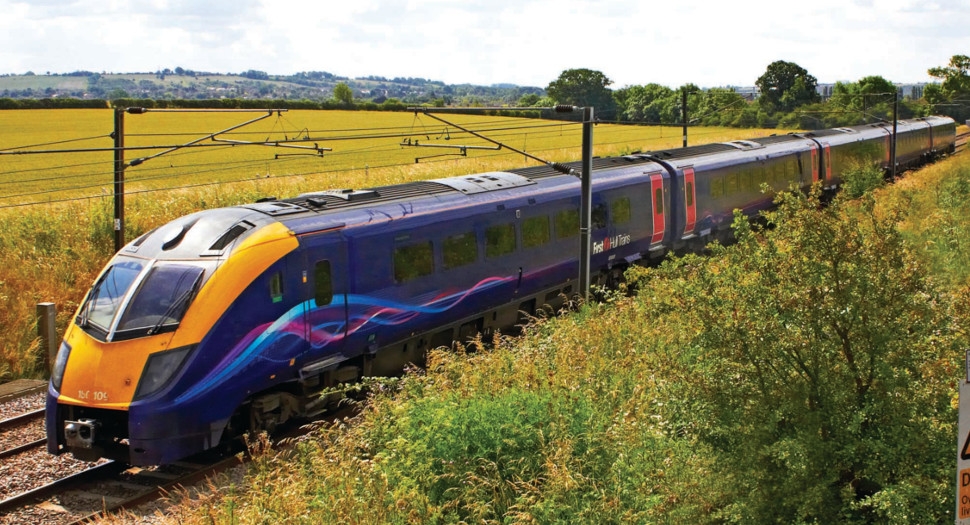
Transport Secretary Patrick McLoughlin confirmed in the House of Commons today he has made £2.4m available to move the project to the next stage of development. Around 70 miles of track will now be electrified by First Hull Trains as it seeks to improve connections with the rest of the rail network.
The cash injection is a major boost to the predominantly privately financed schemewhich has already seen work is already under way to electrify lines between Manchester to Leeds and York and Selby. It is due to be completed by the end of 2018.
Will Dunnett, managing director at First Hull Trains, said, “This decision is good news for everyone at First Hull Trains and everyone in the city. It is testament both to the vision for the project and hard work invested that we've been able to persuade the Government to back us.
“The benefits of electrifying lines between Hull and Selby include higher capacity and more environmentally friendly trains, more reliable and faster services, and will increase connectivity not just to London but to Leeds, Manchester, Liverpool and eventually to the planned HS2.
“How fast the scheme moves forward now is very much dependent on the Government.
“This is a scheme that has been supported at every step by colleagues within local government, MPs along the route and our fantastic workforce of more than 100.”
First Hull Trains runs 90 services a week between through Selby as part of its Hull to London King’s Cross service. The route is currently served by Class 180 diesel trains which the company says would be replaced new electric rolling stock, improving reliability and reducing costs.
The plans still need to be given final approval by Network Rail before work can get under way.