
£3M saving as police dogs sections merged with north east
More police saving announced as dog sections merge with north-east constabularies.
North Yorkshire
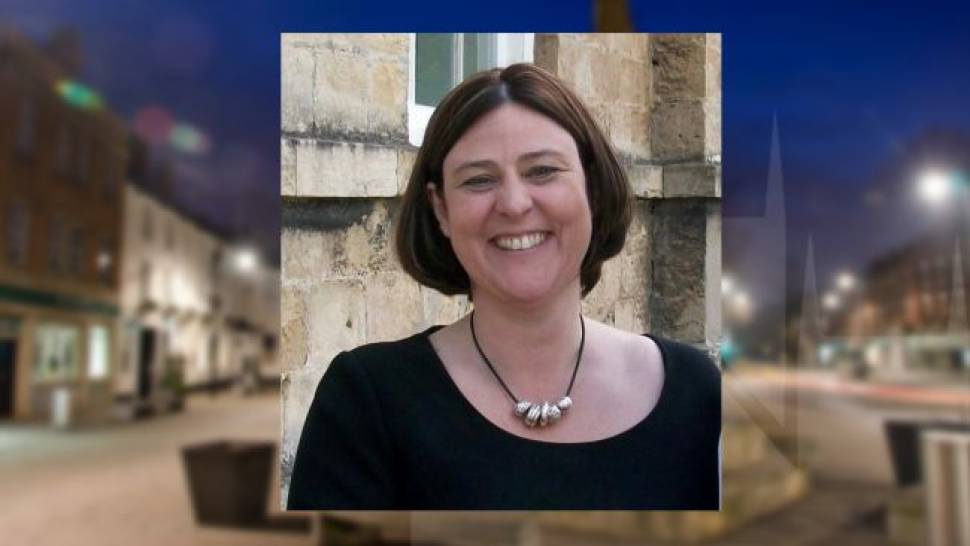
Bean counters at North Yorkshire's police force are set to save £3 million over the next five years as it agrees to merge its dog section with two neighbouring police areas.
The county's dog sections will merge with those in Cleveland and Durham from summer next year in a move increase coverage in more rural parts of the region.
Police dogs carry out a wide range of duties to support police operations, including tracking people, chasing down criminals, finding explosives, cash, weapons or drugs, “passive” drug identification, keeping public order and supporting firearms officers. Many of these tasks require highly specialised training, which means that, at the moment, each Force only has a limited number of police dogs with these skills.
Cleveland Police and Durham Constabulary embarked on a shared dog unit earlier this year and hope to build on this success through the further collaboration with North Yorkshire. Police dogs and their handlers from the three forces will all be trained in the same way and will adopt the same tactical approaches. This will give each force access to more police dogs per shift, as well as greater access to specialist police dogs to cover particular types of operations.
In North Yorkshire, dogs live with their handlers in different locations across the whole county. To support them better, operational bases will be set up in Harrogate, York Fulford Road, Northallerton/Thirsk and East Coast/Ryedale. These, together with bases in Durham and Cleveland, will mean that more dogs are deployable to the north of the county, improving the service to some of North Yorkshire’s most remote rural areas, as well as covering urban “hot spots” more effectively.
In addition, the county will have improved access to specialist dogs, including passive drugs dogs, which are typically used in town and city centres to identify people carrying drugs. At present, North Yorkshire Police buys in this service from a private company.
The decision to progress the combined dog section was made last week by Julia Mulligan, the Police and Crime Commissioner for North Yorkshire, Chief Constable Dave Jones, and their counterparts in the other two Forces, as part of the Evolve Programme – a three-Force initiative to look at how the police can improve services and save money by collaborating across organisational and geographical borders.
Commenting on the decision to create an integrated dogs section, Julia Mulligan, the Police and Crime Commissioner for North Yorkshire said, “Police dogs and their handlers provide a really valuable service, but it is expensive and we need to save money. This plan is a good one for North Yorkshire – it will save us £172,000 a year, and at the same time it will increase the number of dogs available to our county. Police dogs can make a big impact both in our urban areas and in rural communities. The fact that we will have more dogs available, working across borders out of more operational bases, should make it easier for dogs to be deployed wherever they are needed.”
Dave Jones, Chief Constable for North Yorkshire Police said, “An integrated dogs section is simply common sense. Criminals don’t recognise borders, and we need to take that into account in the way we structure our specialist services. This plan will give us more officers and dogs available for deployment. Managing specialist services can be difficult if you have limited resources and there are peaks in demand, but this integrated service increases our options, so we can provide the right service at the right time.”